TRT Replacement Therapy Near Me: Finding Care That Fits Your Goals

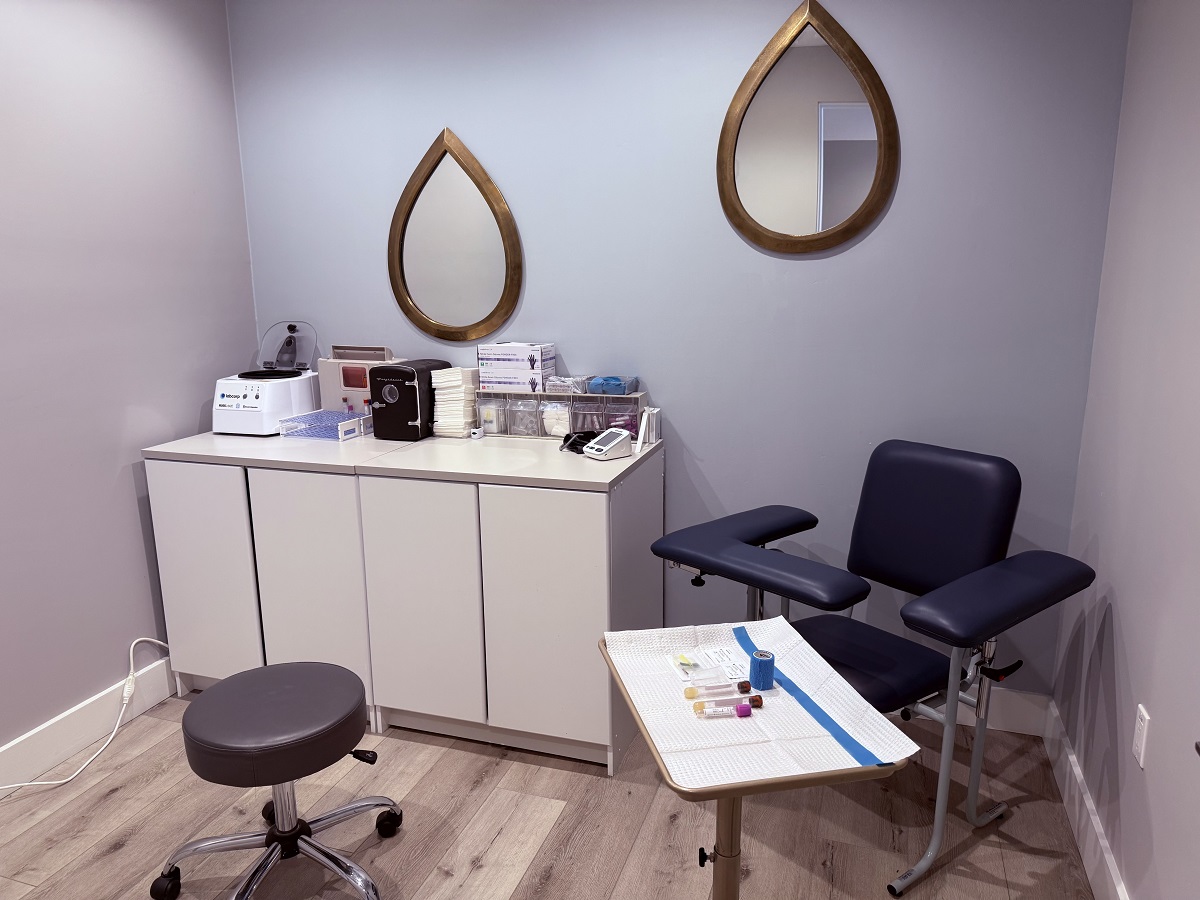
Searches for Trt replacement therapy near me usually come from a very practical place. A man has been dragging through the afternoon, workouts do not feel the same, libido has dipped, sleep is off, and the edge he used to count on just is not there. He wants help, but he also wants straight answers. Not hype, not a sales pitch, and not a clinic that treats every patient like the same lab value on a spreadsheet.
That instinct is the right one. Testosterone replacement therapy can be appropriate for some men, but good care depends on far more than geography. The nearest office is not always the best fit. What matters is whether the clinician takes symptoms seriously, confirms the diagnosis carefully, explains trade-offs clearly, and builds a plan that matches your age, health status, fertility goals, budget, and tolerance for ongoing monitoring.
I have seen the difference that good management makes. I have also seen men come in after months of poor care, often frustrated by cookie-cutter protocols, skipped lab work, or promises that sounded great on the first call and fell apart by month three. The gap between competent TRT care and careless TRT care can be wide. Knowing how to spot that difference will save time, money, and unnecessary risk.
Why "near me" matters, and why it is not the whole story
Convenience is not a minor issue. Testosterone therapy is not usually a one-and-done prescription. It often involves repeat lab testing, dose adjustments, refills, side effect monitoring, and ongoing conversations about symptoms. If the clinic is impossible to reach, books visits weeks out, or makes every simple follow-up feel like a battle, adherence slips. Men stop testing when they should test, keep taking a dose that is not working, or abandon therapy altogether.
Still, local access is only one part of the picture. A clinic two miles away can be less useful than a telemedicine practice with sharp follow-up, reliable communication, and a physician who actually reviews your labs in context. The best option is often the one that combines access with competence. For some people, that is a nearby men's health clinic. For others, it is a primary care physician or endocrinologist who knows the field well. In some states, it may be a telehealth practice that can coordinate local labs and ship medication directly.
The point is simple. Search locally, but judge broadly.
What good TRT care looks like in practice
A solid TRT evaluation starts with a real clinical conversation. Symptoms matter, but symptoms alone are not enough. Low testosterone can overlap with poor sleep, untreated sleep apnea, depression, excess alcohol intake, obesity, thyroid issues, medication side effects, chronic stress, and overtraining. A capable clinician does not leap straight from fatigue to a testosterone prescription. He or she works through the differential.
That usually means morning testosterone testing, often repeated to confirm the pattern, plus a review of free testosterone or sex hormone binding globulin when appropriate. Depending on the case, further labs may include luteinizing hormone, follicle-stimulating hormone, estradiol, prolactin, thyroid markers, complete blood count, comprehensive metabolic panel, and prostate-specific antigen in men for whom it is appropriate to discuss and track. The exact panel varies by age, symptoms, risk factors, and clinical judgment, but the larger principle stays the same. Good TRT care is measured, not impulsive.
A strong clinician also explains that numbers matter in context. One man with a borderline result and clear symptoms may warrant a deeper workup. Another with the same number may be better served by fixing sleep apnea, reducing body fat, changing medications, or treating insulin resistance first. The treatment plan should follow the patient, not the clinic's favorite protocol.
Not every low testosterone result means TRT is the right first step
This is where many clinics separate themselves. Some centers effectively sell testosterone as a lifestyle upgrade. That may sound appealing when you are exhausted and impatient, but it is not careful medicine.
A common real-world example is the man in his late thirties who reports brain fog, poor recovery, and reduced motivation. His testosterone comes back low-normal, but he sleeps five and a half hours a night, snores heavily, has gained thirty pounds, and has not had a consistent exercise routine in two years. Starting testosterone without addressing those basics may blunt the deeper problem. If sleep apnea is driving the issue, TRT can even complicate matters if the apnea remains untreated.
Another example is the younger man who still wants children. Exogenous testosterone can suppress sperm production. If fertility is a current goal or even a likely future goal, that discussion needs to happen before the first prescription is written. In some cases, alternative approaches may be considered. In others, sperm banking may enter the conversation. What should never happen is a casual handoff of medication without explaining the reproductive consequences.
This is not fearmongering. It is informed consent.
The clinics worth your time usually ask better questions
When a patient calls a clinic and the first conversation focuses on subscription tiers, shipping speed, or "optimization" packages, I pay attention. That language often signals a business model more than a medical one.
The better clinics tend to ask questions that feel less flashy and more grounded. They want to know about sleep, body composition changes, erectile function, medications, alcohol use, training habits, prior anabolic steroid use, family history, snoring, fertility plans, blood pressure, and whether symptoms came on gradually or after a clear shift in health. That is the right approach because testosterone status sits inside a larger hormonal and metabolic picture.
An office that takes this seriously also talks through the mechanics of treatment. If TRT is appropriate, what form makes sense? Injections are common and often cost-effective, but they require comfort with self-administration or frequent office visits. Gels are convenient for some men, though transfer precautions matter, especially around partners and children. Pellets appeal to patients who want less frequent dosing, but the insertion procedure and dose flexibility are different. There is no universally best route. There is only the route that best matches your goals and your life.
Local clinic, specialist, or telemedicine?
This choice is less about labels and more about how the practice operates.
A primary care physician can be an excellent option if he or she is comfortable managing testosterone deficiency, reviewing labs thoughtfully, and adjusting treatment based on symptoms and safety markers. The advantage is continuity. Your primary doctor sees Trt replacement therapy near me SDBody La Jolla the whole picture, including blood pressure, cholesterol, diabetes risk, sleep concerns, and mental health.
An endocrinologist may be especially helpful in more complex cases, such as pituitary concerns, unexplained secondary hypogonadism, difficult lab patterns, or situations where the diagnosis is uncertain. Not every endocrinologist focuses heavily on men's hormone therapy, but when the case gets layered, specialty training can matter.
A men's health clinic may offer the most streamlined process. The better ones are efficient, responsive, and experienced with dosage titration and patient education. The weaker ones can be overly protocol-driven and commercially aggressive. You have to sort carefully.
Telemedicine can work very well, particularly for busy professionals or men in areas with limited local expertise. The best telehealth providers coordinate labs efficiently, explain treatment thoroughly, respond quickly when side effects show up, and maintain clear prescribing and monitoring standards. The weak ones feel transactional. If you cannot get a clinician on the phone when hematocrit rises or estrogen-related side effects appear, convenience stops being convenient.
Signs a provider is taking your case seriously
There are a few patterns that consistently predict better care. If you are comparing options after searching for Trt replacement therapy near me, these are worth looking for:
- The clinic confirms low testosterone with appropriate testing rather than prescribing after a single vague complaint.
- The provider asks about sleep, weight change, fertility, medications, mood, and cardiovascular risk instead of jumping straight to treatment.
- The practice explains follow-up labs, expected timelines, and common side effects before you start.
- Pricing is clear, including visits, labs, and medication, with no pressure to buy bundled extras.
- You can reach a real clinician or trained medical staff when questions come up between appointments.
That list sounds basic, but many men skip it because they feel lousy and want relief quickly. Understandable, but costly.
Cost is part of clinical fit
One of the fastest ways for a treatment plan to fail is for the economics to be unrealistic. I have seen men start at a clinic with polished branding and attractive intake offers, only to realize later that the monthly spend is several times what they expected once labs, follow-ups, and medication refills are added in.
The actual price range varies widely by region, by delivery method, by whether insurance is involved, and by whether the clinic includes lab monitoring in its fee. Injectable testosterone through a traditional pharmacy can be relatively affordable in some settings. Branded formulations, compounded products, or concierge-style service models can increase the cost materially. Add-on medications and supplements can push it even higher.
This does not mean expensive care is bad care, or affordable care is inferior. It means you should ask for the full financial picture upfront. If the plan is likely to continue for years, the only sustainable plan is one you can realistically maintain. A smart clinic respects that and gives transparent answers.
Questions worth asking before you commit
Most patients do not need a long checklist, but a few direct questions can reveal a lot about how a clinic practices:
- How do you confirm the diagnosis before starting treatment?
- What labs do you monitor before and during therapy?
- How often are follow-up visits scheduled in the first year?
- How do you handle fertility concerns or men who may want children later?
- What is the total expected monthly or quarterly cost, including medication and labs?
You will learn as much from the tone of the response as from the content. Evasive or sales-heavy answers are useful information.
The first three to six months tell you a lot
The opening stretch of TRT is where good plans prove themselves. Many men expect a dramatic turnaround in a week. That is not how this usually works. Libido may improve earlier for some. Energy, recovery, mood, and body composition shifts can take longer and are influenced by sleep, nutrition, training, stress, and baseline health. If a clinic promises instant transformation, lower your expectations and raise your skepticism.
Dose adjustments are common. Some men feel better on a relatively modest regimen with stable levels and fewer peaks and troughs. Others need a different injection schedule or a different formulation altogether. Monitoring matters here because both under-treatment and over-treatment create problems. Higher is not always better. Chasing extreme numbers often invites side effects without improving how the patient actually feels.
This is also the phase where side effects or warning signs need to be handled intelligently. Elevated hematocrit, acne, fluid retention, breast tenderness, changes in mood, or blood pressure concerns all require context and follow-up. A clinic that shrugs these off or manages every issue with another add-on drug is not showing good judgment.
The role of lifestyle, even when TRT is appropriate
One mistake I see often is treating testosterone as if it can replace the foundations of health. It cannot. If TRT is indicated, it can be a helpful tool. It is not a substitute for sleep, resistance training, adequate protein, lower visceral fat, or alcohol control.
In practice, men often get the best results when TRT is paired with ordinary disciplines done consistently. Sleep quality is a major one. A patient who goes from six fragmented hours to seven and a half steady hours often notices gains in energy and recovery that no dose change can replicate. Training matters too, especially lifting with enough frequency and progression to give the body a reason to use the hormonal support it is receiving. Nutrition matters in a less glamorous but equally important way. Undereating protein, overeating processed calories, or swinging between weekday restriction and weekend bingeing can flatten results.
This is one reason the strongest providers talk about more than medication. They know the prescription works inside a larger system.
Red flags that deserve real caution
Not every concern is a deal-breaker, but certain patterns should slow you down. A clinic that guarantees everyone will feel twenty years younger is selling fantasy. A provider who never mentions fertility is ignoring a major clinical issue. A practice that prescribes without obtaining baseline labs, or that barely reviews them, is operating below the standard most patients should accept.
Another warning sign is a rigid one-size-fits-all protocol. Some clinics place every patient on the same starting dose, same injection frequency, and same stack of ancillary medications regardless of age, weight, fertility goals, or symptom profile. Medicine works better when it is individualized. The body rarely reads the protocol sheet.
Be careful, too, with clinics that turn every lab variation into an upsell. If every follow-up somehow leads to new supplements, additional peptides, or premium packages that were never discussed at the outset, step back and reassess.
How to balance expertise with convenience
A lot of men overvalue one and undervalue the other. The ideal setup is not always the closest building or the most famous specialist. It is the practice you can work with consistently, one that has enough expertise to treat you safely and enough accessibility to keep the process smooth.
If you travel often, a clinic that requires every injection to happen in office will become a burden. If you hate needles, a provider unwilling to discuss alternatives may not be the right fit. If your work schedule is packed, a practice that only handles refill requests during a narrow weekday window may create needless stress. These issues sound minor during the intake call. They become major after six months.
Clinical fit also includes communication style. Some patients want deep explanation and data review. Others want a concise plan and efficient follow-through. Neither preference is wrong. The right clinic can usually adapt to both.
What a thoughtful decision looks like
A good decision on TRT does not begin with finding the cheapest ad, the fastest shipping, or the most aggressive promise. Trt replacement therapy near me It begins with clarity about your goals.
Are you trying to restore libido and energy after a documented hormonal decline? Are you looking for help after years of poor sleep, central weight gain, and low motivation? Are you trying to improve well-being while preserving fertility? Are you hoping TRT will rescue a lifestyle that is burning you out? Those are very different scenarios, and they should not all lead to the same plan.
If you are searching for Trt replacement therapy near me, use that search term as a starting point, not a verdict. Read how the clinic describes its process. Ask what testing it requires. Find out who manages follow-up. Clarify costs. Notice whether the staff sounds medically grounded or primarily sales-oriented. If possible, choose the practice that makes you feel understood, not flattered.
The men who do best with testosterone therapy tend to approach it with a mix of urgency and restraint. Urgency, because chronic fatigue, sexual dysfunction, poor recovery, and declining vitality are worth addressing. Restraint, because hormones deserve careful handling. When those two instincts meet the right provider, treatment has a much better chance of helping for the right reasons and in the right way.
That is what you should be looking for, whether the best care happens ten minutes from home or through a well-run clinic that coordinates everything remotely. The goal is not just to find TRT nearby. The goal is to find care that fits your body, your future, and the life you are actually living.
SDBody La Jolla
Address: 7710 Fay Ave, La Jolla, CA 92037
Phone number: +18584012383
FAQ About Trt replacement therapy near me
Will insurance pay for TRT therapy in La Jolla, CA?
Coverage varies by plan and may depend on the diagnosis, blood test results, medication and prior authorization. Ask your insurer which visits, lab tests and formulations it covers and what you would pay out of pocket.
What is the most affordable TRT clinic in La Jolla?
Compare written estimates for the initial visit, lab work, medication and follow-up monitoring. Your total cost will depend on your insurance and the care your clinician recommends.
Is TRT replacement good for you in La Jolla, CA?
Testosterone replacement may help some people with symptoms and consistently low testosterone confirmed by blood tests. A clinician can review the potential benefits, risks, fertility plans and monitoring needs before recommending treatment.