Understanding the Process at a TRT Clinic in La Jolla
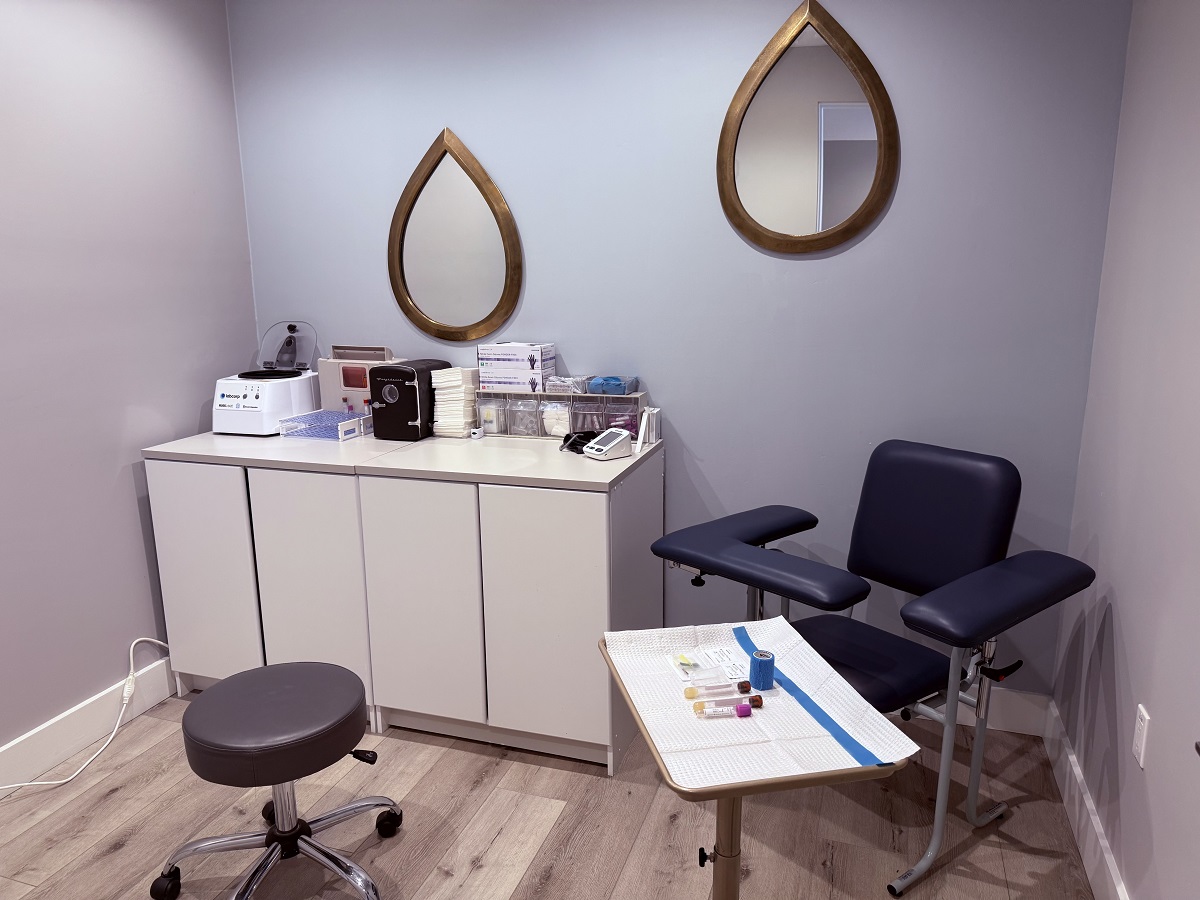
For men who have been dragging through the day, losing strength in the gym, watching their focus slip, or noticing a steady decline in libido, the idea of testosterone replacement therapy can feel both promising and confusing. Most people do not walk into a clinic with a neat diagnosis. They arrive with a collection of symptoms that have been creeping up for months or years, often while being told that stress, aging, poor sleep, or a busy schedule explains everything.
Sometimes those factors do explain a lot. Sometimes low testosterone is part of the picture. The value of a good TRT evaluation is not that it guarantees treatment. It is that it helps sort out what is actually going on.
At a reputable trt clinic La Jolla patients are usually guided through a process that is more methodical than many expect. It is not just a quick prescription after one conversation. Or at least, it should not be. The best clinics look at symptoms, lab values, medical history, body composition, sleep quality, fertility goals, and cardiovascular risk before making recommendations. That process matters because testosterone is a real hormone therapy with real benefits, real limits, and real responsibilities.
Why men usually start looking into TRT
Most patients do not come in saying, “I think my total testosterone is low.” They come in saying they feel unlike themselves.
A typical pattern sounds familiar to any clinician who works in this area. A man in his late 30s or 40s says his workouts are no longer producing the same results even though he has not changed much. Another describes brain fog by midafternoon, low motivation, and irritability at home. Someone else mentions that his sex drive has dropped enough that his partner noticed before he did. There are also men in their 50s and 60s who simply feel that their physical resilience is gone. Recovery takes longer. Sleep feels lighter. Energy is flat.
None of these symptoms automatically means low testosterone. Sleep apnea can do this. Depression can do this. Overtraining can do this. So can alcohol, obesity, insulin resistance, certain medications, thyroid problems, and chronic stress. That is why a serious clinic does not treat the symptom list alone.
The goal of the first phase is to separate general fatigue from a hormonal pattern that deserves a closer look.
The first appointment is usually more detailed than people expect
The initial visit at a TRT clinic should feel like a proper medical intake, not a sales presentation. A good provider spends time on timeline and context. When did symptoms start? Did they begin after major weight gain, a stressful period, a new medication, or a change in sleep? Has libido declined gradually or suddenly? Are there erectile issues, or is the problem more about desire and energy? Has the patient had children already, or does he still want fertility preserved?
These details change the plan. A man in his early 30s who wants to have children soon needs a very different conversation than a man in his late 50s with completed family planning and consistently low labs. That is not a small nuance. It is one of the central decision points in hormone management.
A thorough intake also covers cardiovascular history, blood pressure, prior clotting events, prostate symptoms, mood history, snoring or sleep apnea, medication use, alcohol intake, and training habits. This is where experienced judgment shows. In real practice, there are many men whose “low T” symptoms are driven as much by six hours of broken sleep and excess abdominal fat as by hormone levels themselves. A careful clinician says so directly.
Physical exam findings can also be useful. Waist circumference, blood pressure, body composition trends, testicular size in certain cases, and signs of untreated endocrine issues all add context. A rushed visit skips these clues. A careful visit uses them.
Lab work is the backbone of the process
Most of the confusion around TRT comes from misunderstanding lab results. Testosterone values are important, but isolated numbers can mislead.
Hormone levels fluctuate. Time of day matters. Sleep quality matters. Illness matters. A single low result after a bad night of sleep or during a period of intense stress may not reflect a patient’s usual baseline. Most competent clinics prefer morning labs and often repeat testing when results are borderline or do not match the symptom picture.
Beyond total testosterone, a full workup may include free testosterone, sex hormone binding globulin, estradiol, luteinizing hormone, follicle stimulating hormone, complete blood count, comprehensive metabolic panel, thyroid studies, lipid markers, and sometimes prolactin or other endocrine testing depending on the case. Hematocrit matters because testosterone can raise red blood cell concentration. Estradiol matters because men do convert some testosterone into estrogen, and that is not inherently bad. In fact, some estrogen is necessary for bone health, sexual function, and overall balance.
The useful question is rarely, “Is testosterone low?” It is usually, “Do the symptoms, repeat labs, and clinical context support a diagnosis that is likely to improve with treatment?”
That distinction protects patients from both under-treatment and over-treatment.
Not every low number leads straight to a prescription
This is where reputable care separates itself from hormone marketing. There are men with low-normal lab values who feel terrible, and men with similar values who feel fine. There are also men with low readings whose first best step is not testosterone at all.
A few scenarios come up often in practice. One is the patient with significant obesity, loud snoring, daytime fatigue, and a borderline testosterone level. If he has untreated sleep apnea, starting TRT without addressing the sleep issue may miss the main driver of symptoms. Another is the younger patient taking medications that suppress hormonal function, or using supplements or compounds that affect the endocrine axis. Another is the man whose stress, alcohol use, or caloric restriction is so aggressive that recovery has stalled across the board.
Good clinics will sometimes recommend a period of targeted lifestyle intervention, repeat labs, or further evaluation before initiating therapy. That can be disappointing for a patient who came in expecting a quick fix, but it is better medicine.
When TRT is appropriate, the treatment discussion should be specific
If the evaluation supports treatment, the next step is not just “yes” or “no.” It is a detailed discussion of options, expectations, monitoring, and side effects.
Testosterone can be delivered in different forms. In many clinics, injections are the most common because they are effective, relatively affordable, and easy to adjust. Some men prefer topical creams or gels, though those come with absorption variability and transfer precautions. Pellets and other delivery methods may be discussed in certain practices, but they are less flexible once placed.
Route matters because lifestyle matters. A patient who travels frequently may prefer one schedule over another. A patient who hates needles may strongly favor topical therapy. Someone who likes close dose control may do best with a regimen that can be adjusted in smaller increments.
The best providers also set realistic expectations early. TRT is not an overnight transformation. Some men notice improved energy, mood, or libido within several weeks. Body composition changes and strength improvements often take longer and depend heavily on training, protein intake, sleep, and consistency. If a patient expects therapy alone to reverse years of poor recovery and sedentary habits, he is setting himself up for frustration.
A grounded conversation often covers these practical points:
- symptom improvement tends to be gradual, not immediate
- follow-up lab work is part of treatment, not an optional extra
- fertility can be affected, sometimes significantly
- dose adjustments are common in the first few months
- lifestyle still determines a large share of the outcome
That last point is worth underlining. Men who start TRT while also tightening sleep, lifting consistently, reducing visceral fat, and managing stress usually describe a very different experience from men who expect the medication to carry the entire load.
Fertility is one of the most important parts of the conversation
This issue is often underestimated by first-time patients. Exogenous testosterone can suppress the body’s own signaling to the testes, which can reduce sperm production. For a man who has completed his family, that may not change the treatment decision. For a younger patient planning children in the next year or two, it may change everything.
This is why any TRT clinic worth trusting asks directly about fertility goals before treatment starts. In some cases, alternative approaches or fertility-preserving strategies may be more appropriate than straightforward testosterone replacement. In other cases, a reproductive specialist may need to be part of the conversation.
Problems usually happen when this issue is rushed. A patient hears “low testosterone,” starts therapy elsewhere, then later learns that his fertility plan became more complicated than expected. That is preventable with proper counseling up front.
What starting treatment actually looks like
Once the plan is agreed upon, the mechanics are usually straightforward. If injections are chosen, the clinic typically teaches the patient how to administer them, reviews dosing schedule, injection technique, storage, and safe disposal of supplies. Many men are surprised by how manageable this becomes after the first one or two times. The anxiety is often higher than the difficulty.
Early follow-up is where the real fine-tuning happens. This period matters because how a patient feels and how the labs respond do not always line up perfectly at first. Someone may report improved drive and better workouts but have estradiol symptoms or a rising hematocrit. Another may have improved numbers on paper but still feel flat due to persistent sleep problems or unrealistic expectations. A careful clinician works through that without chasing every minor fluctuation.
Patients also need practical guidance on what to watch for. Acne, fluid retention, mood changes, increased red blood cell counts, blood pressure changes, and altered sleep patterns can occur. Not everyone experiences them, but nobody should be surprised by them.
The first few months are usually about establishing a stable rhythm rather than making constant changes. Over-adjustment creates its own problems. In experienced hands, small measured changes usually outperform dramatic swings in dosing.
Monitoring is where good clinics earn their reputation
A patient can often tell within one or two visits whether a clinic is serious about long-term care. Responsible TRT management does not stop once the prescription is written. It becomes a monitoring relationship.
Follow-up generally includes symptom review, physical changes, blood pressure checks, and scheduled labs. The exact timing varies by provider and patient profile, but the principle is simple: treatment needs surveillance. Hematocrit, hormone levels, estradiol context, liver and metabolic markers when appropriate, and sometimes prostate-related considerations in age-appropriate patients all help ensure therapy stays effective and safe.
This is one reason patients often prefer a dedicated trt clinic La Jolla over a more casual, loosely supervised arrangement. The environment tends to be more structured. Staff are used to the questions men ask repeatedly. They know how to teach self-injection cleanly. They understand that symptom tracking is not the same thing as bodybuilder folklore. And they are usually better at spotting when something outside testosterone is sabotaging progress.
I have seen many cases where the best value of follow-up was not a dose increase, but a course correction. A patient with persistent fatigue despite improved testosterone levels turned out to have untreated sleep apnea. Another was training hard but eating so little protein that he could not capitalize on any of the anabolic benefit. Another had rising blood pressure that needed attention before anyone talked about increasing dose. Those details are not side notes. They are central to responsible care.
What a careful clinic does not promise
There are a few claims that should make any patient cautious. One is the idea that testosterone is a universal fix for every problem associated with aging. Another is the suggestion that higher numbers always mean better outcomes. A third is any approach that dismisses lab monitoring as unnecessary once symptoms improve.
The body rarely responds well to simplistic thinking. More is not always better. There is a range where many patients feel and function better, but trying to push hormones beyond sound medical targets can increase side effects without delivering meaningful quality-of-life gains.
A responsible provider also avoids promising exact results on a set timeline. Clinical medicine does not work that way. One patient sees libido improve in a month and body composition shift over six months. Another notices mood improvement first and no obvious gym changes until much later. A third realizes that TRT helped somewhat, but the real breakthrough came only after addressing alcohol intake and chronic sleep debt.
That is not failure. That is honest medicine.
Cost, convenience, and local expectations in La Jolla
Patients in La Jolla often care about two things at the same time: quality of care and efficiency. They want medical oversight, but they also want a process that respects their schedule. Good clinics tend to balance those priorities by streamlining lab coordination, offering clear follow-up intervals, and making patient education practical rather than overly technical.
Costs can vary widely depending on the clinic model, medication type, lab frequency, and whether visits are bundled or billed separately. It is reasonable to ask for transparency early. Patients should know what is included in the initial evaluation, what repeat labs cost, how follow-up works, and whether medication is dispensed through the clinic or sent to a pharmacy.
Convenience matters, but it should never replace good screening. If a clinic seems eager to start therapy before a complete history or without meaningful baseline labs, that convenience may be too expensive in the long run.
How to prepare for your first visit
A little preparation improves the quality of the consultation. It SDBody La Jolla trt clinic La Jolla helps the provider see patterns faster, and it helps the patient ask better questions. Bringing a recent medication list, prior lab work if available, and a clear symptom timeline can make the visit far more productive. If there is a fertility goal, that needs to be said plainly at the start, not tacked on at the end.
Before your appointment, it helps to note a few things:
- when symptoms began and whether they have worsened gradually or suddenly
- how sleep, stress, weight, and exercise have changed over the past year
- any medications, supplements, or prior hormone use
- whether fertility matters now or in the near future
- what outcome you actually want, such as better energy, libido, recovery, or focus
That level of clarity keeps the visit grounded. It shifts the conversation away from internet myths and toward actual decision-making.
The process works best when expectations are mature
The men who tend to do best with TRT are not always the men who start with the lowest lab numbers. Often, they are the ones who understand the role of the therapy and commit to the full process. They show up for follow-up. They ask sensible questions. They train with some structure. They take sleep seriously. They do not chase every anecdote from a podcast or online forum.
A thoughtful clinic encourages exactly that mindset. It treats testosterone as one part of a broader health strategy rather than a shortcut around it.
For patients considering a trt clinic La Jolla, that is the process worth looking for: careful screening, honest interpretation of labs, clear discussion of fertility and risks, individualized treatment planning, and consistent monitoring once therapy begins. When those elements are in place, the experience tends to feel less like a transaction and more like what it should be, a structured medical partnership aimed at improving function, symptoms, and long-term health.
SDBody La Jolla
7710 Fay Ave, La Jolla, CA 92037
+1 858-401-2383
FAQ About trt clinic La Jolla
How much should my TRT cost?
TRT costs depend on the clinical evaluation, medication, laboratory testing, and follow-up plan. Ask for an itemized estimate that includes the initial visit and ongoing monitoring. SDBody La Jolla can explain its current fees after discussing the services being considered.
Will Insurance Pay for TRT in La Jolla?
Coverage depends on your plan, diagnosis, prescribed treatment, and provider network. Ask your insurer about medical necessity requirements, prior authorization, laboratory coverage, and out-of-pocket costs. Confirm SDBody La Jolla's billing arrangements directly; insurance payment is not guaranteed.
Is TRT safer than steroids?
Testosterone is itself an anabolic steroid. Clinician-prescribed replacement for confirmed testosterone deficiency differs from nonmedical steroid use, but it still carries risks and requires monitoring. Possible concerns include increased red blood cell levels and reduced sperm production. Discuss your medical history and fertility goals with a qualified clinician before considering treatment.